Aluminum alloys have been the backbone of aerospace structures since the 1930s, chosen for their exceptional strength-to-weight ratio, fatigue resistance and corrosion performance. Modern commercial aircraft typically use aluminum for fuselage skins, wing structures, floor beams and interior components.
We supply aluminum sheet, plate, profiles and foil to aerospace tier suppliers, MRO facilities and aircraft interior manufacturers. Our products meet ASTM and EN standards with full mill test certificates and material traceability.
Structural Aluminum for Aircraft
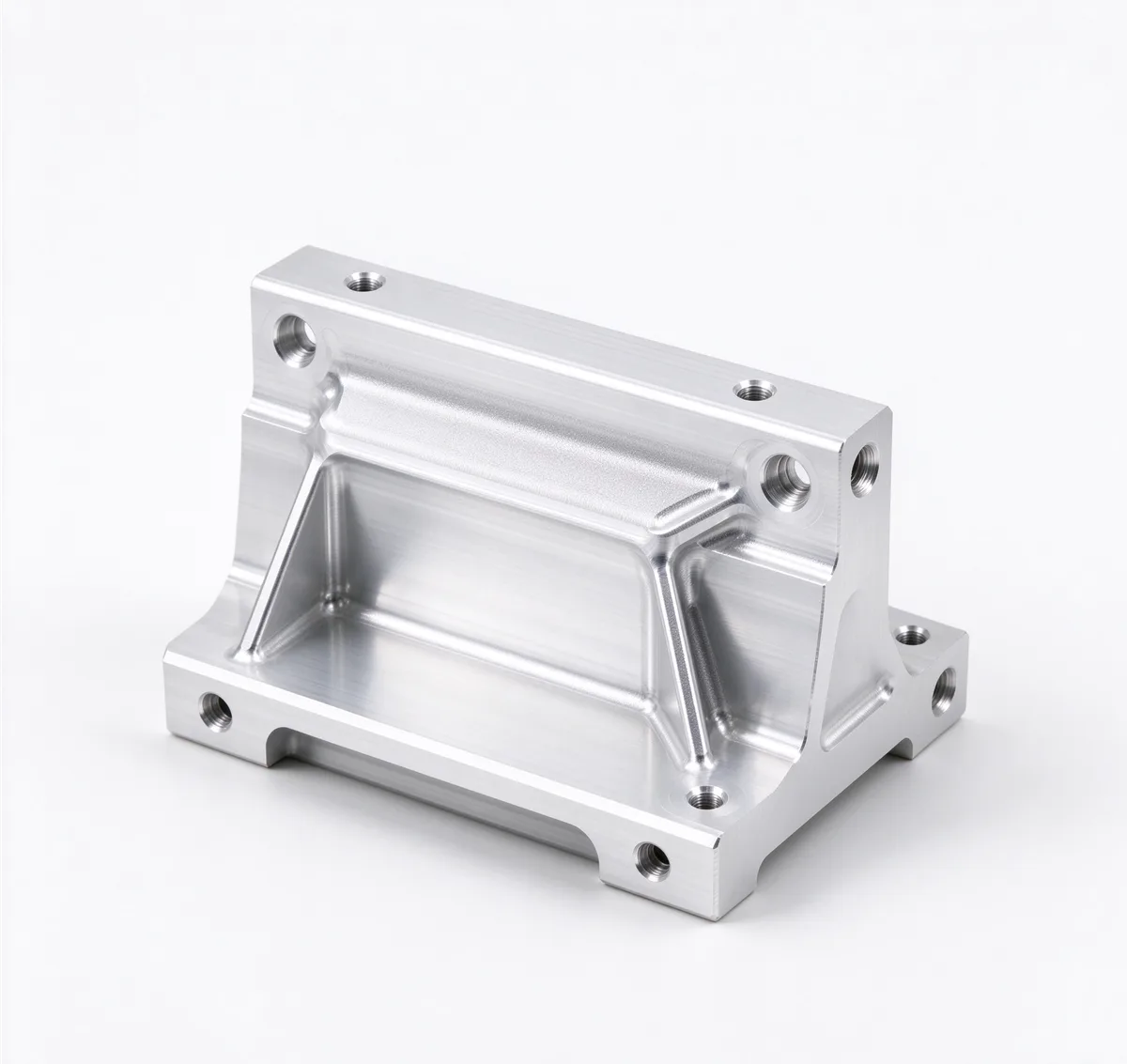
Aircraft structures use heat-treatable 2xxx, 6xxx and 7xxx series alloys. 7075-T6 aluminum delivers tensile strength ≥540 MPa, making it suitable for wing fittings, high-load brackets and machined structural parts. For applications requiring stress-corrosion resistance, 7075-T73 temper is specified.
6061-T6 extrusions are used for aircraft interior structures, ducting, and secondary fittings where moderate strength (≥260 MPa) and good weldability are required. Common forms include tubes, angles and custom profiles.
Fuselage stringers and frames typically use 2024-T3 or 7xxx series extrusions. Wing spars in high-performance aircraft often use 7075-T6 or 7075-T73 profiles machined from solid bar stock or forgings.
| Alloy & Temper | Tensile Strength | Typical Applications |
|---|---|---|
| 2024-T3 sheet/plate | 440 – 480 MPa | Fuselage skins, bulkheads, wing structures |
| 6061-T6 extrusions | ≥ 260 MPa | Interior structures, ducts, fittings, secondary frames |
| 7075-T6 plate/bars | ≥ 540 MPa | Wing fittings, landing gear components, high-load brackets |
| 7075-T73 extrusions | 435 – 505 MPa | SCC-resistant fittings for long-term service |
Aircraft Interior Aluminum
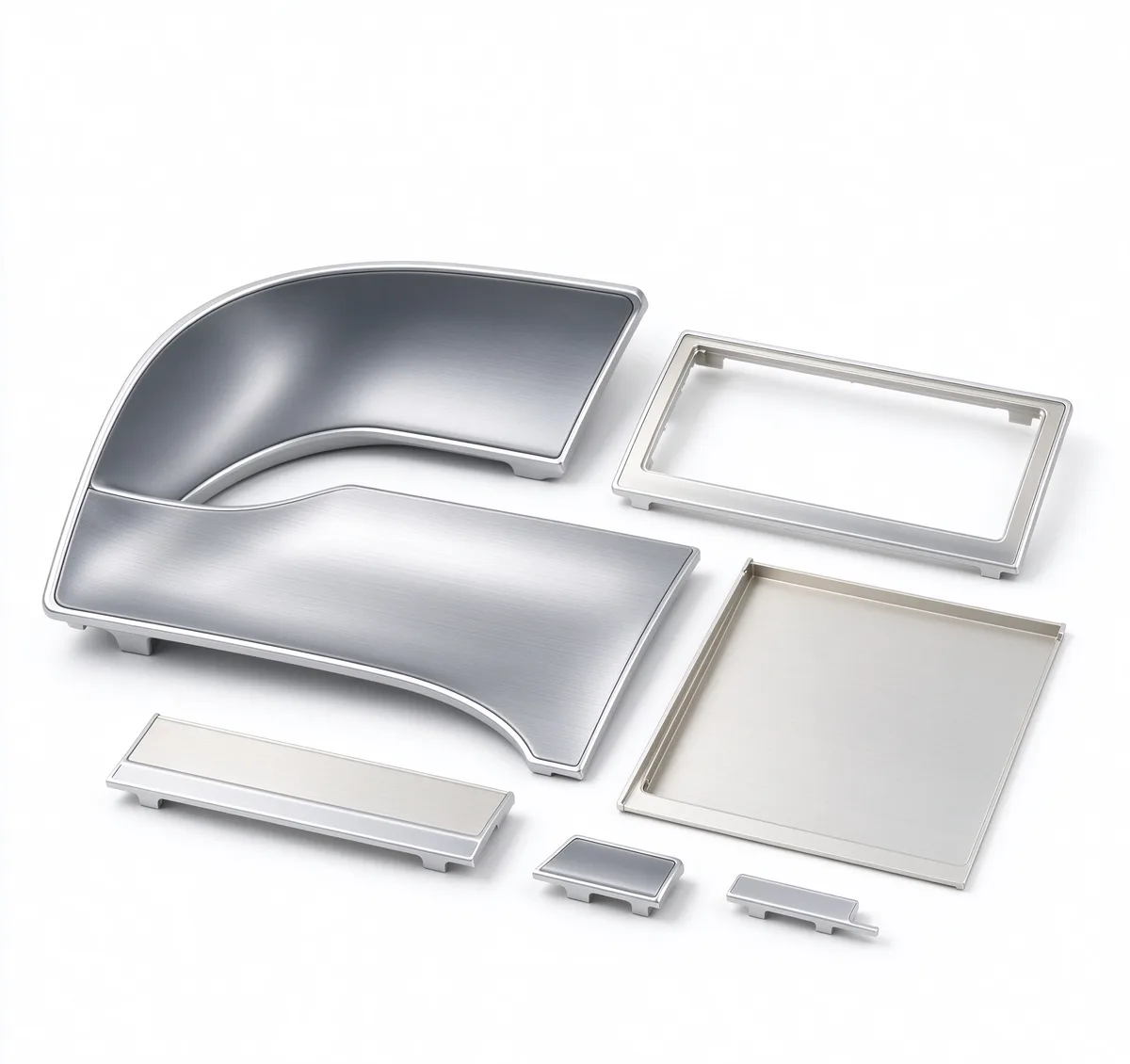
Aircraft cabin interiors use aluminum for seat frames, overhead bin structures, galley equipment and sidewall panels. 6063-T5 and 6063-T6 profiles are widely used for cabin components due to their excellent extrudability, smooth surface finish and adequate strength for non-primary structures.
Seat frames combine 6061-T6 tubes and machined parts to meet dynamic crash test requirements under aviation safety regulations. Overhead bin rails and galley frames typically use 6063-T6 extrusions, often anodized for a professional appearance.
Cabin panels often use aluminum honeycomb sandwich construction: thin 5052 aluminum foil (0.05 – 0.10 mm) is formed into hexagonal honeycomb cells and bonded with composite facings. The resulting panel provides high stiffness at low weight with excellent fire resistance.
- Seat frames: 6061-T6 tubes and extrusions, welded or bolted assemblies
- Overhead bins: 6063-T6 profiles, anodized finish
- Galley structures: 6063-T6 extrusions, welded or riveted assembly
- Honeycomb panels: 5052-H18/H19 foil core with composite or aluminum facings
Aluminum Honeycomb Core
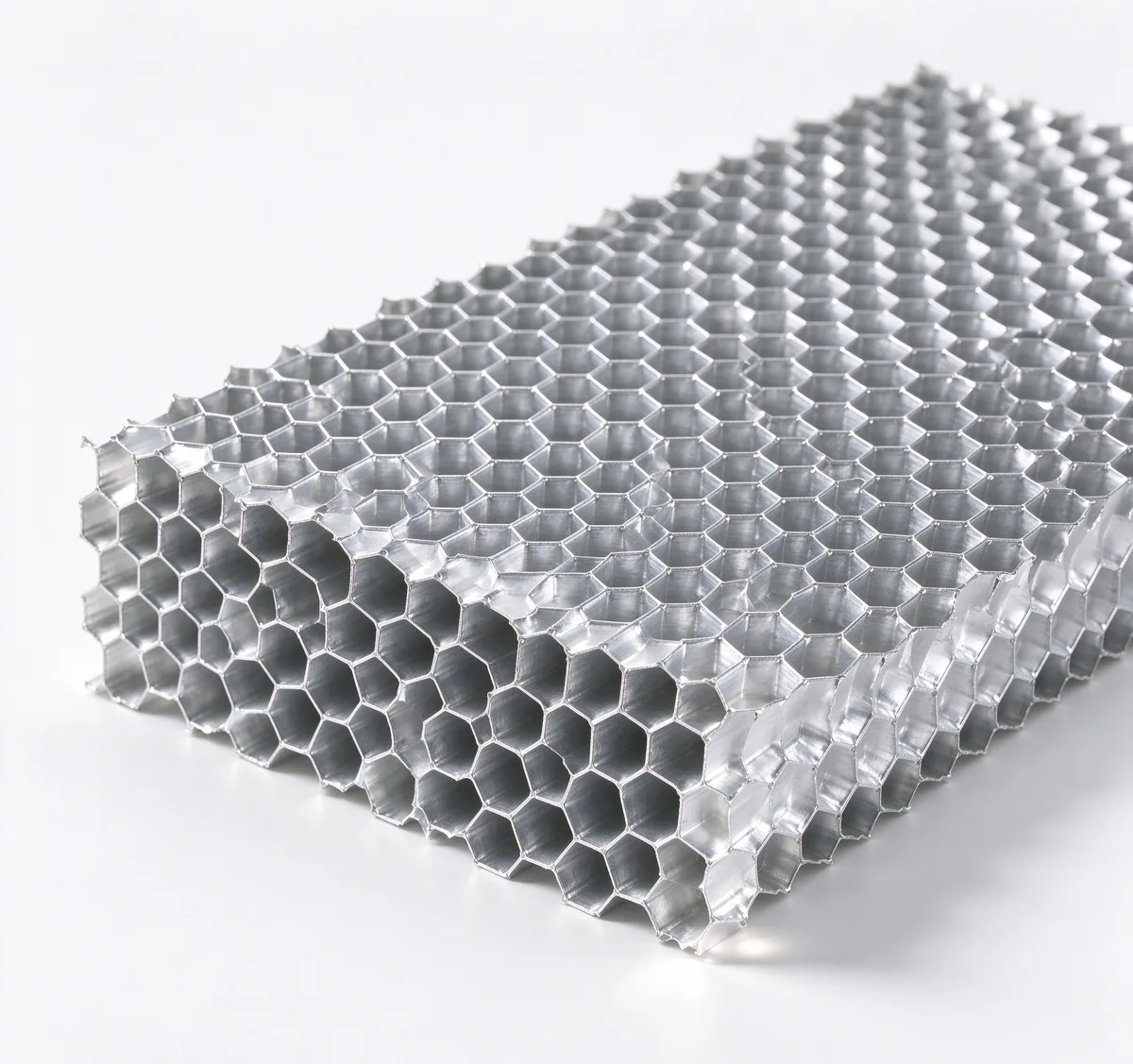
5052 aluminum foil in hard tempers (H18, H19) is widely used for aerospace honeycomb core. The foil is coated with adhesive, stacked, cured and expanded into hexagonal cells. Cell sizes range from 3 mm for high-density cores to 19 mm for lightweight applications.
5052 honeycomb provides higher compressive strength than 3003 honeycomb at the same density, and its magnesium content gives excellent resistance to humid and marine atmospheres. Aerospace honeycomb is typically specified by foil thickness (0.025 – 0.10 mm), cell size and core density.
Applications include cabin floor panels, wing control surfaces (ailerons, flaps, elevators), cargo liners, interior sidewall panels and ceiling panels. The honeycomb core is typically bonded between aluminum sheet, fiberglass or carbon fiber skins.
Aluminum Sheet for Aircraft Panels
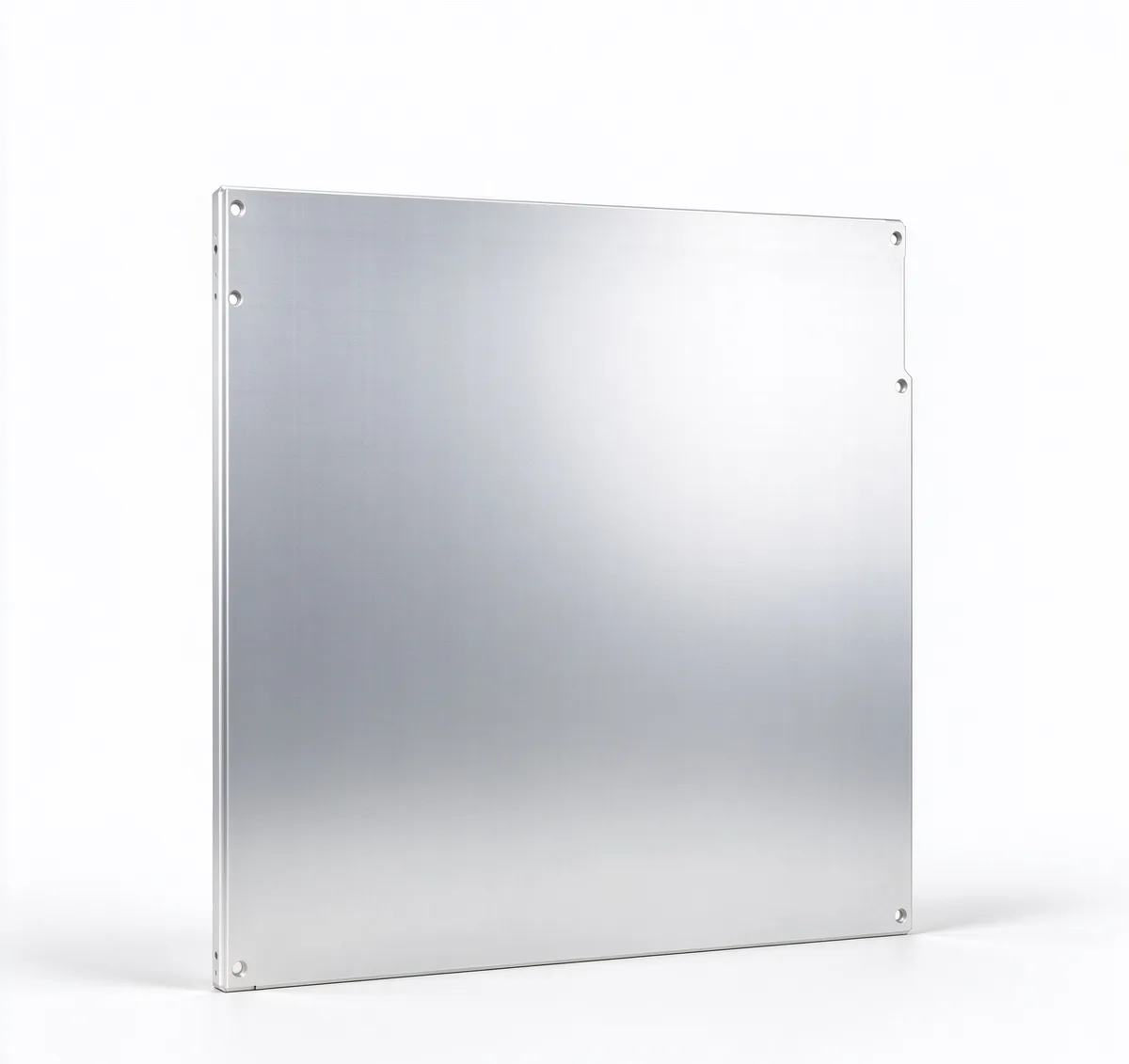
Aluminum sheet forms aerodynamic skins, inspection panels and non-structural covers. 5052-H32 or 5052-O sheet is used in general aviation and business aircraft for non-structural skins, fairings, and interior bulkheads. 5052 offers moderate strength with excellent forming characteristics and corrosion resistance.
Fuselage skins on transport aircraft use 2024-T3 sheet for its high strength and fatigue life. Wing skins may use 7075-T6 sheet in high-stress areas, though the alloy's limited formability restricts it to relatively flat panels.
6061-T6 sheet is sometimes used for ground support equipment (GSE), maintenance access panels, and aircraft tooling where the combination of strength, weldability and machinability is valued.
Aerospace Supply Chains
Southeast Asia, Mexico and the Middle East are growing aerospace manufacturing hubs. Vietnam, Thailand and Malaysia produce aircraft interior components, seat frames and precision-machined parts. Mexico hosts aerostructures plants supplying wing components and fuselage sections. The UAE and Israel have established aerospace MRO and component manufacturing capabilities.
We supply aluminum to this supply chain: 6061-T6 profiles for seat frames and interior structures, 5052 honeycomb foil for cabin panels, and 7075-T6 bar stock for CNC-machined fittings. Material shipments include full mill test certificates (EN 10204 3.1) with traceability documentation.
Need Aerospace Grade Aluminum?
Contact our team for material specifications, certifications and export quotes.
Request a Quote